Every successful brand has something that makes it instantly recognisable. Sometimes it’s a logo. Sometimes it’s a color. Sometimes it’s simply the way the brand speaks. But none of these elements exists on their own. Together, they form something much bigger. Brand identity.
If you’ve ever recognised a company without reading its name, you’ve experienced the power of brand identity. It’s what helps businesses stand out in crowded markets, build trust with customers, and stay memorable long after the first interaction. So, what exactly is brand identity, and why does it matter? Let’s explore.
What Is Brand Identity?
From a technical perspective, brand identity is the collection of visual, verbal, and strategic elements that represent a business. It includes everything from a company’s logo, typography, colors, imagery, and design style to its tone of voice, messaging, and core values.
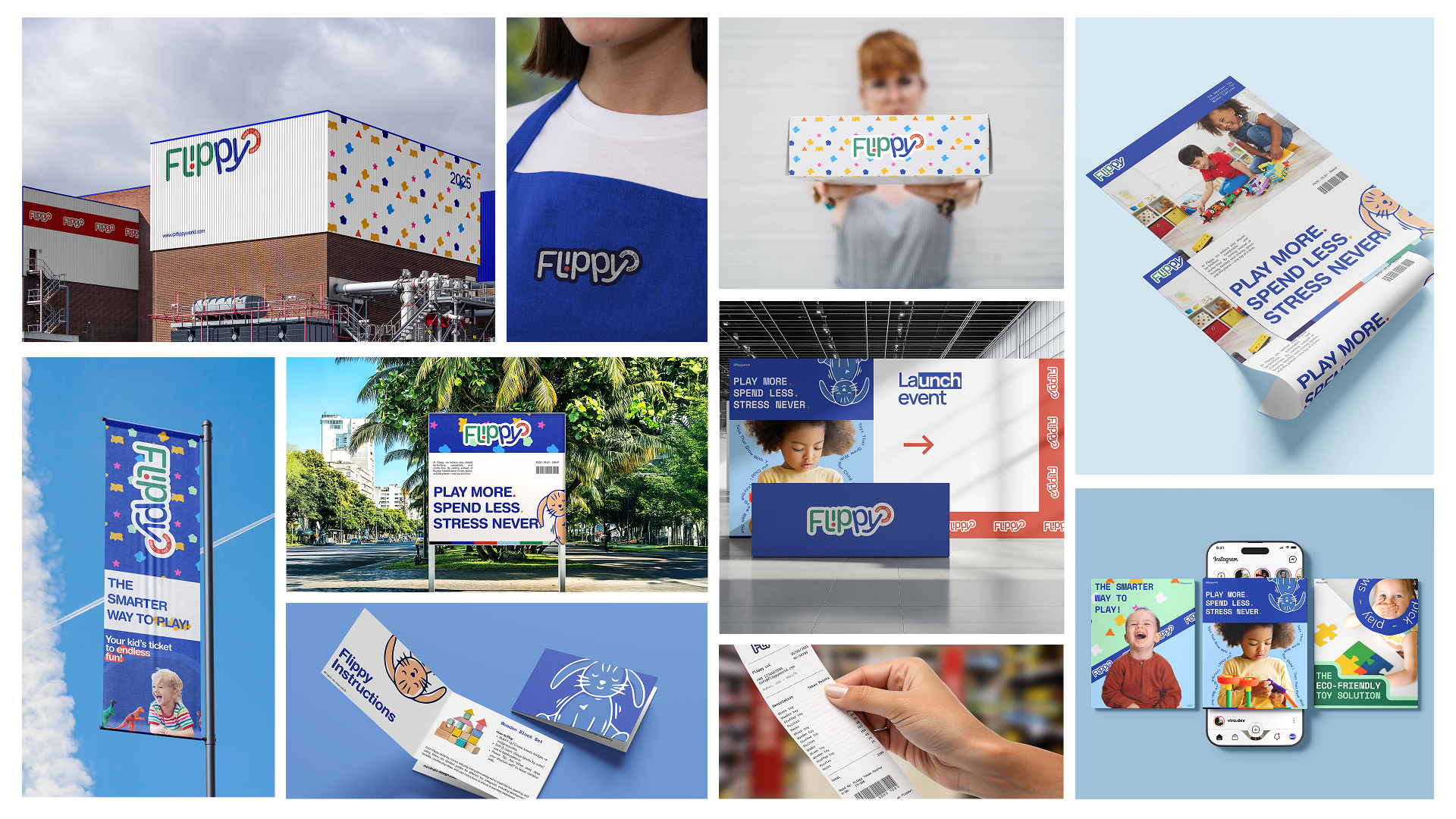
These elements work together to answer one simple question:
Who is this brand?
But that’s only the technical definition. A brand identity isn’t just a company’s appearance. It’s its personality. It’s the feeling people associate with it long after they’ve left the website, closed the app, or put the product down. Think of a brand as a person.
- Its visuals are the face people notice first.
- Its voice is how it speaks.
- Its values are what it stands for.
- Its design choices reflect its character.
- And every interaction builds trust or breaks it.
People rarely remember brands because of a logo alone. They remember how a brand made them feel. That’s what makes brand identity far more than a design exercise. It’s an experience.
Why Is Brand Identity Important?
In today’s digital world, people encounter hundreds of brands every single day. Attention spans are shorter, competition is stronger, and first impressions happen in seconds. Without a clear identity, even great businesses can become forgettable.
A strong brand identity helps a business:
- Build recognition across platforms.
- Create consistency in every customer interaction.
- Establish credibility and trust.
- Differentiate itself from competitors.
- Form lasting emotional connections.
- Encourage customer loyalty over time.
When people consistently recognize and relate to a brand, they begin to trust it. And trust is often the deciding factor behind every purchase, recommendation, or long-term relationship.
The Core Elements of Brand Identity
A memorable brand identity is built on several connected elements rather than a single logo or color palette.
Logo

A logo is often the first thing people notice. It serves as the visual signature of a brand, making it easier to recognise across websites, packaging, advertisements, and social media. While important, a logo alone doesn’t define a brand identity.
Color Palette
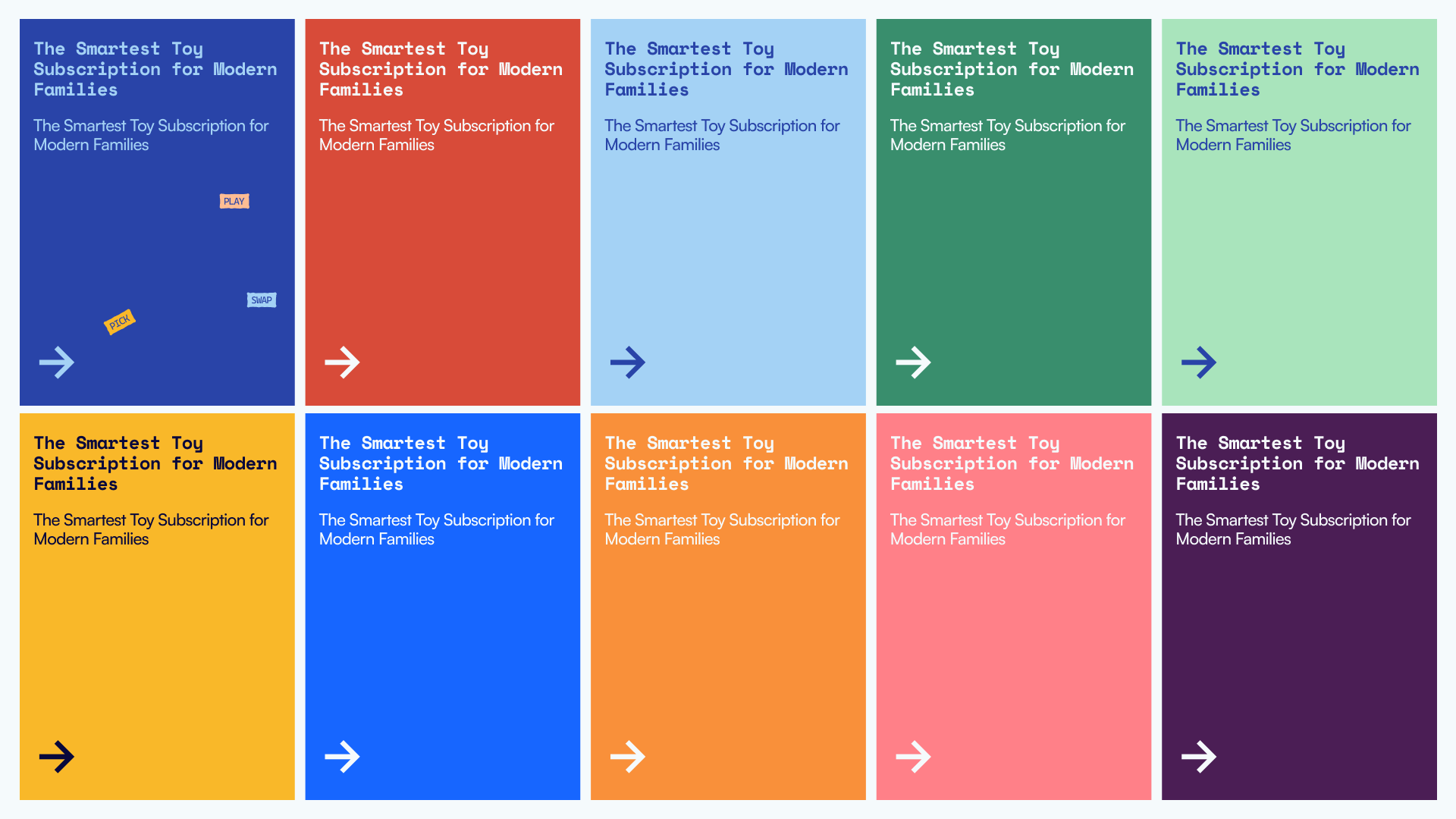
Colors communicate emotions before words ever do. Different color combinations create different impressions. Confidence, creativity, luxury, excitement, trust, calmness, or innovation. Choosing colors intentionally helps shape how audiences perceive a brand.
Typography

Fonts influence personality more than many people realise.
A modern sans-serif font creates a different impression than a traditional serif typeface.
Typography helps maintain consistency across digital and print experiences while reinforcing the overall brand personality.
Visual Style
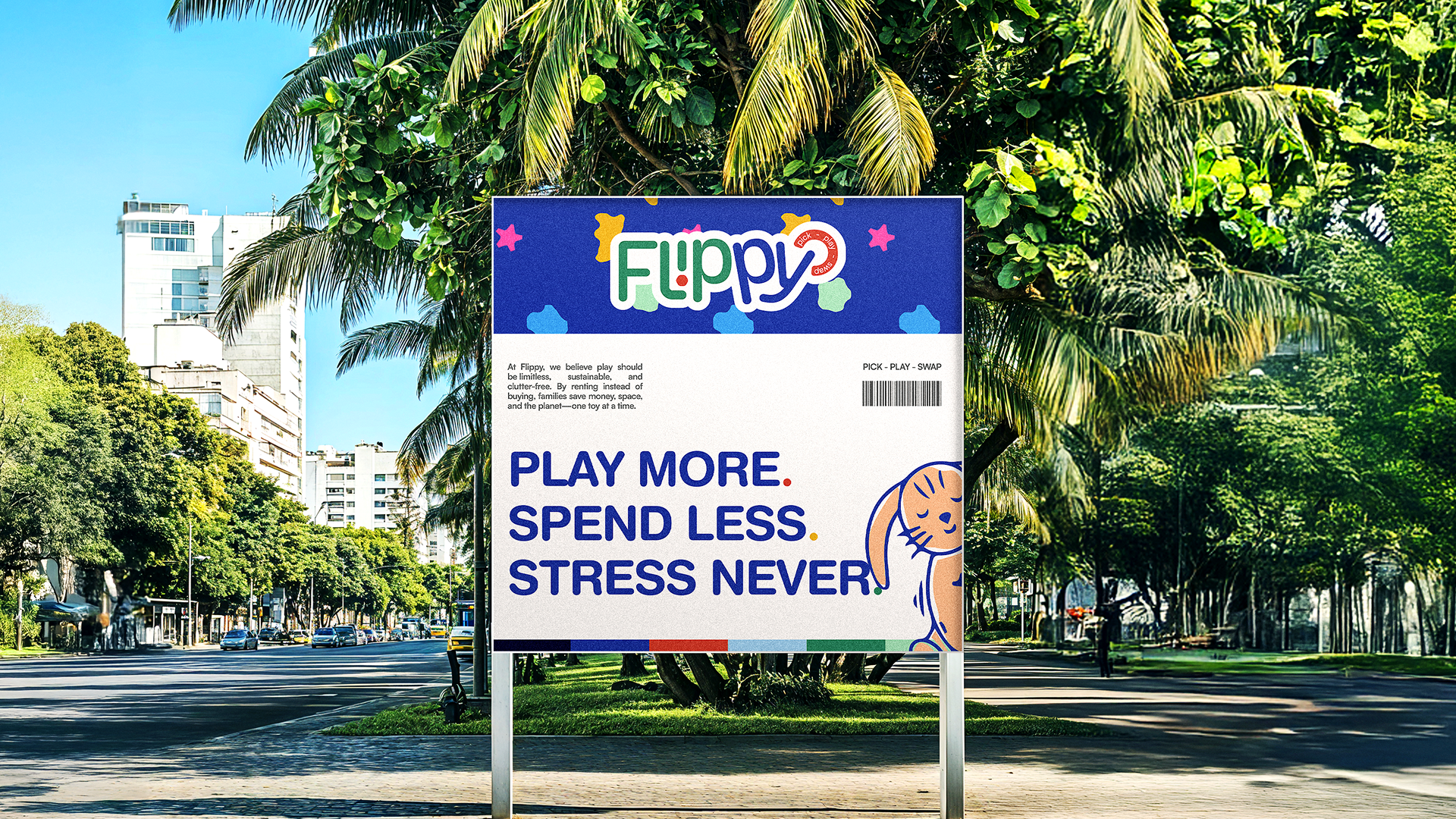
Photography, illustrations, icons, graphics, layouts, and design systems all contribute to how a brand looks.
When these elements follow a consistent direction, they make the brand feel familiar regardless of where customers encounter it.
Tone of Voice
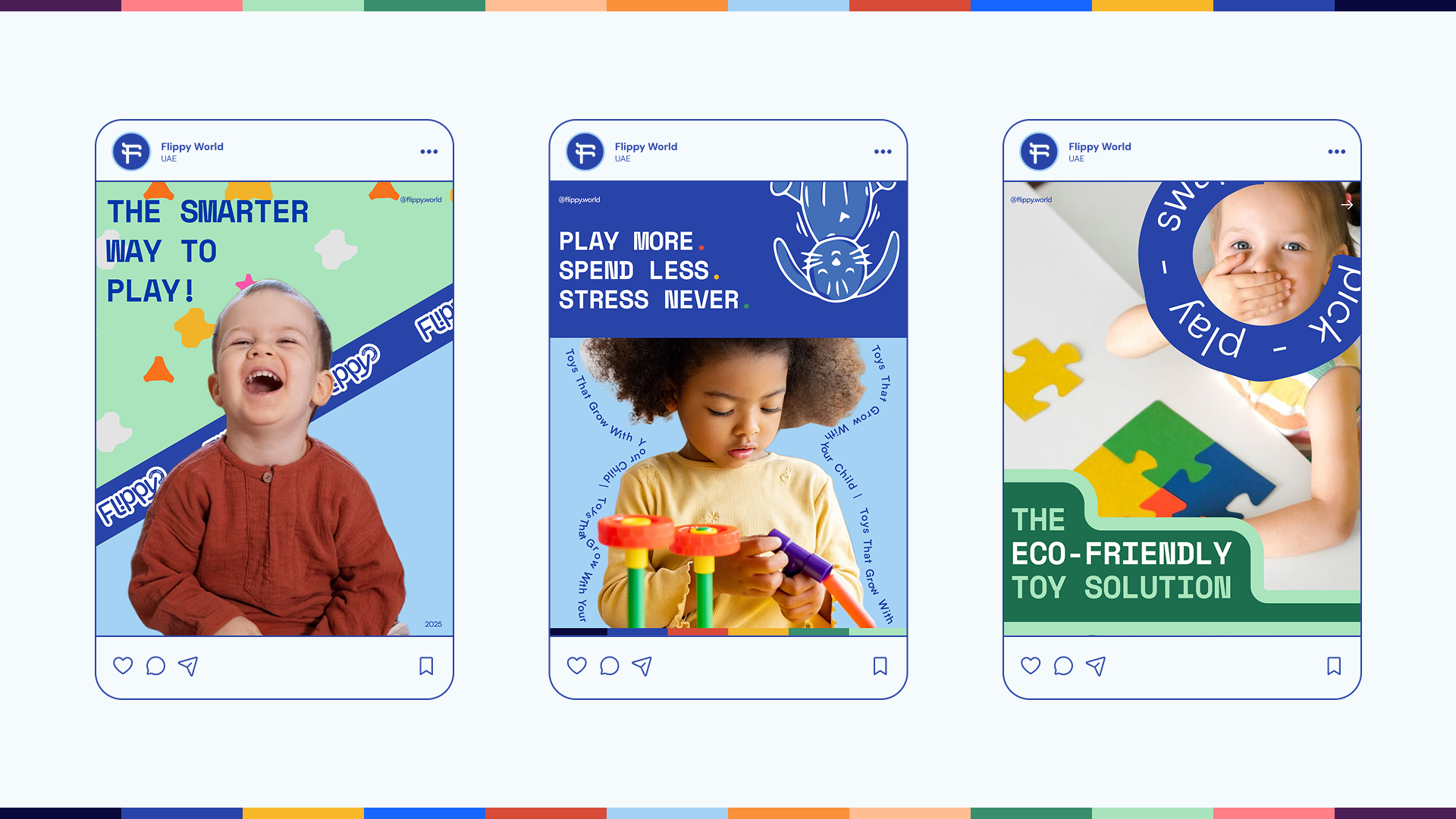
Brand identity isn’t only visual. It’s also verbal. The way a brand writes emails, website copy, advertisements, captions, and customer support messages creates a recognisable personality. Some brands sound professional. Some feel playful. Others communicate with warmth, confidence, or simplicity. Consistency matters more than style itself.
Brand Values

Values define what a brand believes in. They influence business decisions, customer relationships, company culture, and long-term positioning. People increasingly support brands that align with their own beliefs, making values an essential part of identity.
Brand Identity vs Brand Image
These two terms are often confused, but they’re not the same. Brand identity is how a business intentionally presents itself. Brand image is how customers actually perceive that business. In simple words, You create your identity and your audience creates your image. When both align, brands become trustworthy and memorable.
How Brand Identity Shapes Customer Perception
Human beings naturally make quick judgments. Within moments of visiting a website or seeing a product, people begin forming opinions. They ask themselves questions without realizing it.
Can I trust this brand?
Does it feel professional?
Does it understand people like me?
Does it seem authentic?
Every design decision contributes to those answers. A cluttered website may create confusion. An inconsistent tone may reduce credibility. A thoughtful identity, on the other hand, creates confidence before customers even make a purchase. That’s why brand identity influences far more than aesthetics. It shapes perception.
Common Mistakes Businesses Make
Many businesses invest in branding but overlook the bigger picture. Some common mistakes include:
- Treating a logo as the entire brand.
- Using inconsistent colors, fonts, or messaging.
- Copying competitors instead of creating originality.
- Ignoring customer experience.
- Changing visual styles too frequently.
- Having no clear brand voice.
Consistency builds familiarity. Familiarity builds trust. And, Trust builds lasting relationships.
How to Build a Strong Brand Identity
Creating a memorable identity begins with understanding your business before designing anything. Start by asking:
- What does the brand stand for?
- Who is the ideal audience?
- What problems does it solve?
- How should people feel after interacting with it?
- What makes it different from competitors?
Once these answers are clear, every design and communication decision becomes more intentional. The strongest brand identities don’t try to impress everyone. They aim to connect deeply with the right people.
Conclusion:
Brand identity is often mistaken for logos, colors, or beautiful visuals. In reality, those are simply tools. A true brand identity is the complete expression of a business…its personality, purpose, values, voice, and visual language working together to create a consistent experience. People may forget an advertisement. They may overlook another social media post. But they’ll always remember how a brand made them feel. And that’s where a memorable brand identity begins.